Part 3 of The Lives They Didn’t List
The Chronicles. This series explores the experiences of LGBT people in Tunbridge Wells, highlighting local stories and perspectives.
One Man, One Facebook Group
The story begins three years earlier and considerably more quietly.
In 2021, a man named Dan Rogers returned to Tunbridge Wells from Birmingham. He had grown up between Ticehurst and the town, moved away, built a life elsewhere, and come back. What he found when he arrived was a gap. There were no LGBT+ venues in Tunbridge Wells. There were no regular social events, no community infrastructure, no obvious place for anyone who was looking for one.
He knew London was up the road. However, London is London — a journey, a commitment, an evening that requires planning. What he wanted was somewhere local. Somewhere that didn’t require a train.
So, with the help of a friend, he started a Facebook group.
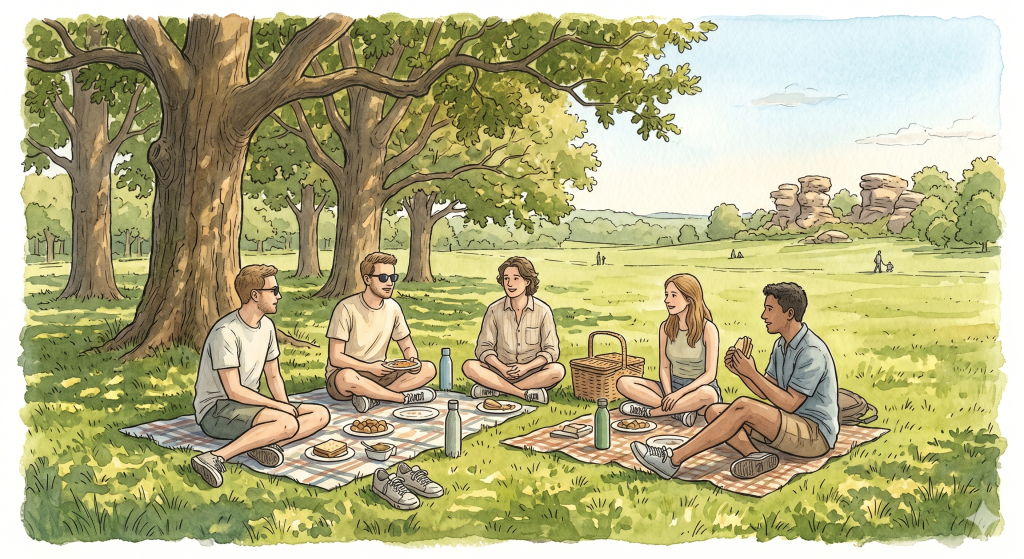
The early events were modest by design. Picnics in the park. Group dinners. The kind of social infrastructure that sounds unremarkable but is, in practice, precisely what a community needs before it can become anything larger — a reason for people who don’t know each other to be in the same place at the same time. People came. More people came. The group grew.
The Night at The Royal Wells
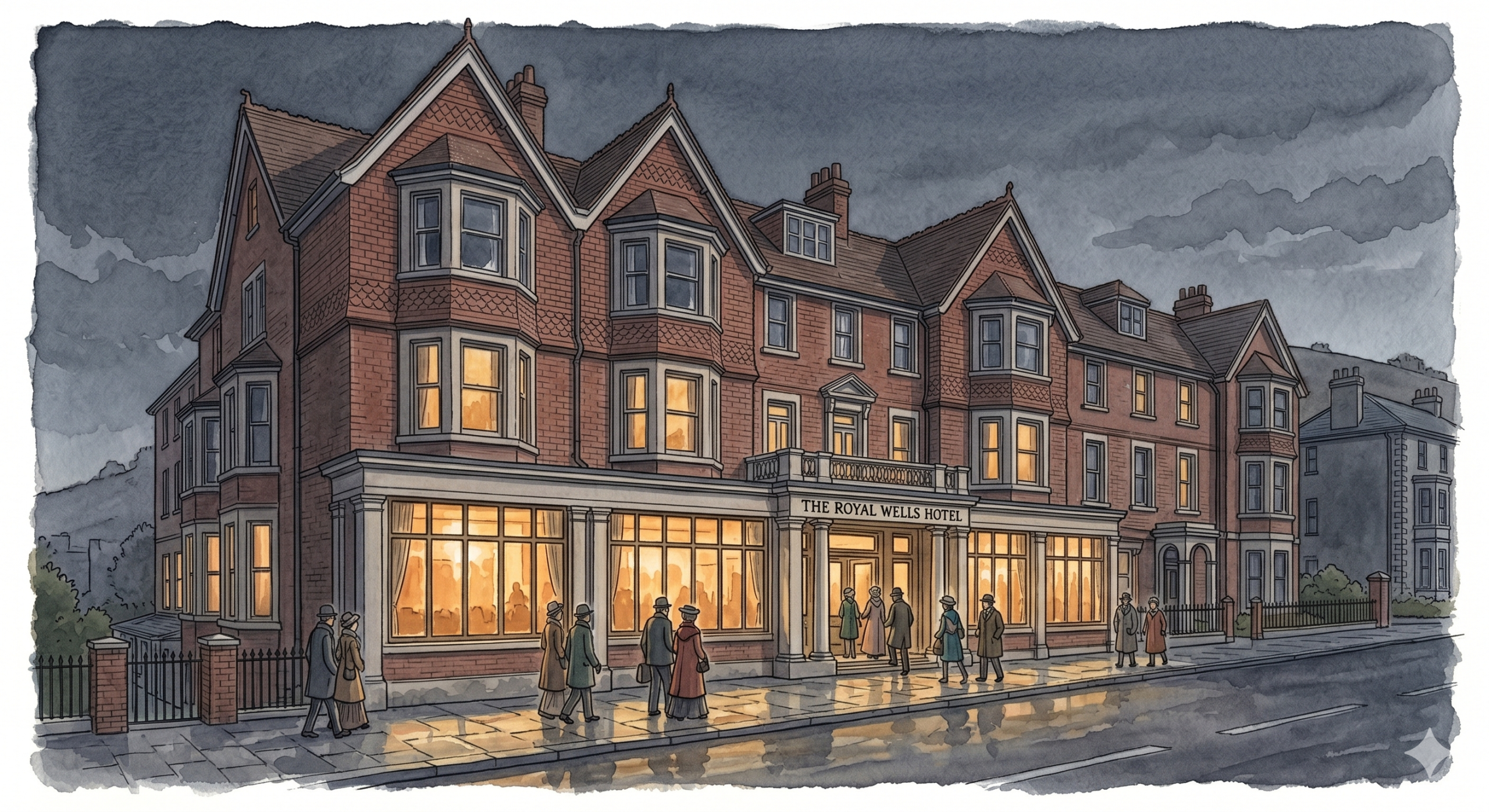
By early 2024, the group was ready for something bigger. On 17 February, Dan Rogers held the first club night at The Royal Wells Hotel on Mount Ephraim. Around thirty people attended, drawn from across Kent. The hotel offered the room free of charge.
Dan later described it as the best night on the LGBT+ scene he had experienced in a very long time. The feedback from those who came was, by all accounts, something close to relief — the particular relief of finding that something you thought didn’t exist in your town actually does, now, because someone decided to build it.
The event became monthly. The Royal Wells Hotel continued providing the space. Arrangements were made for people who found the idea of a club night daunting: meet beforehand, introductions, reassurance. The group understood something that most established institutions take years to learn — that the barrier to belonging is rarely the event itself but the moment before it, when you don’t know whether you’ll be welcome.
Something Else Was Happening
Dan Rogers’s group was not the only thing being built.
In May 2024, three friends — Luca Zanetti-Springett, Christopher Peters, and Craig Stevens — launched the Tunbridge Wells, Tonbridge and Maidstone LGBTQIA+ Community. Their motivation was different from Dan’s, though related. All three had experienced homophobic abuse in the town — incidents specific, documented, and unambiguous enough to leave no room for interpretation. They built their community partly in response to that, partly in the conviction that visible community is itself a form of protection.
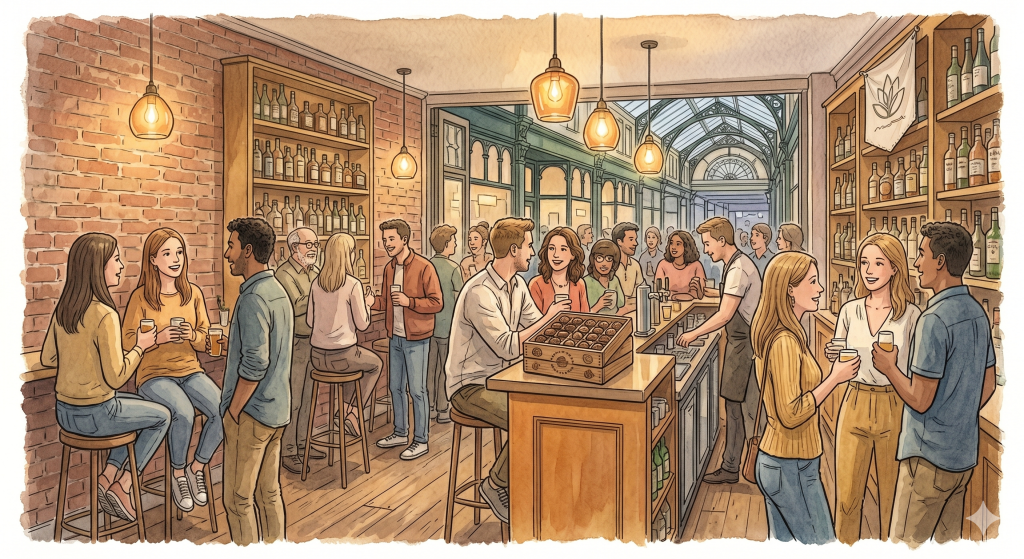
Their launch event was held at Kandi Bar in Ely Court — described at the time as the first dedicated LGBT+ venue to open in Tunbridge Wells in over a decade. Lush, Waitrose, and Hotel Chocolat sponsored the night. The turnout, Luca noted afterwards, blew them away.
Furthermore, a town that had no dedicated LGBT+ venue whatsoever when Dan Rogers arrived in 2021 had, within three years, produced two active community groups and a bar.
What the Town Looks Like Now
It would be easy to overstate this. Therefore, it is worth being precise.
Tunbridge Wells still has no Pride parade. The community infrastructure that exists — the monthly events, the Facebook groups, the occasional sponsored launch night — is new, fragile, and built on volunteer energy and the goodwill of individual venues. The town is not Brighton. It is not even Maidstone. It is a prosperous Kent commuter town that, until very recently, had no visible LGBT+ presence at all.
However, it has one now. That is the change.
The community that Dan Rogers began building from a Facebook group and a series of picnics in 2021 exists today in a form that would have been unrecognisable to the West Kent CHE Group that Ross Burgess established in 1972. Burgess’s group operated for years in a town that officially pretended it wasn’t there. Rogers’s group got its launch event written up in the local newspaper, with the hotel’s name and a quote from the organiser.
Fifty years. That is what fifty years looks like, in this particular town.
The Question the Trilogy Has Been Building Toward
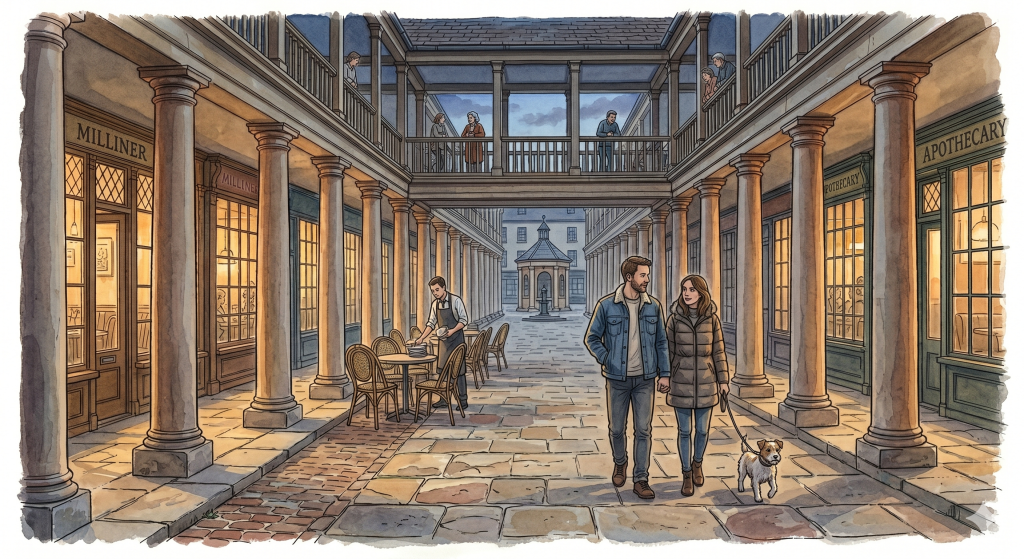
This series began with a simple observation: Royal Tunbridge Wells has a queer history that its official version of itself has never acknowledged. That history runs from a cross-dressing dandy on The Pantiles in 1703, through a Council that banned a piano in 1974, to a man who moved back to his hometown in 2021 and found nothing waiting.
In each case, the response was the same: quiet, stubborn, persistent building. Mr Maiden kept returning to the Wells, season after season, until a playwright noticed. Ross Burgess started a group with no infrastructure and kept organising for years. Dan Rogers started with picnics.
None of these is a story of triumph in any dramatic sense. There is no moment when the town opened its arms, reversed its position, and welcomed what it had previously excluded. What there is instead is something more durably interesting: a community that kept existing in spite of the absence of conditions that usually make communities possible.
The town’s official version of itself — elegant, conservative, historically curated — remains largely intact. The Pantiles is still the Pantiles. The villas on Mount Ephraim still look out across the Common. The clock tower at Tunbridge Wells Central still rises above the forecourt as it has since 1846.
Underneath that version, quietly and on its own terms, something else has always been happening.
It still is.
This is the final part of The Lives They Didn’t List — a WalkTW series on the hidden history of Royal Tunbridge Wells. Read Part 0 — The Town That Didn’t Know Itself, Part 1 — The Town That Banned a Piano, and Part 2 — The Waters Were Always Queer.
To find Dan Rogers’s group: facebook.com/groups/1015002949337672