The Peak Didn’t Last
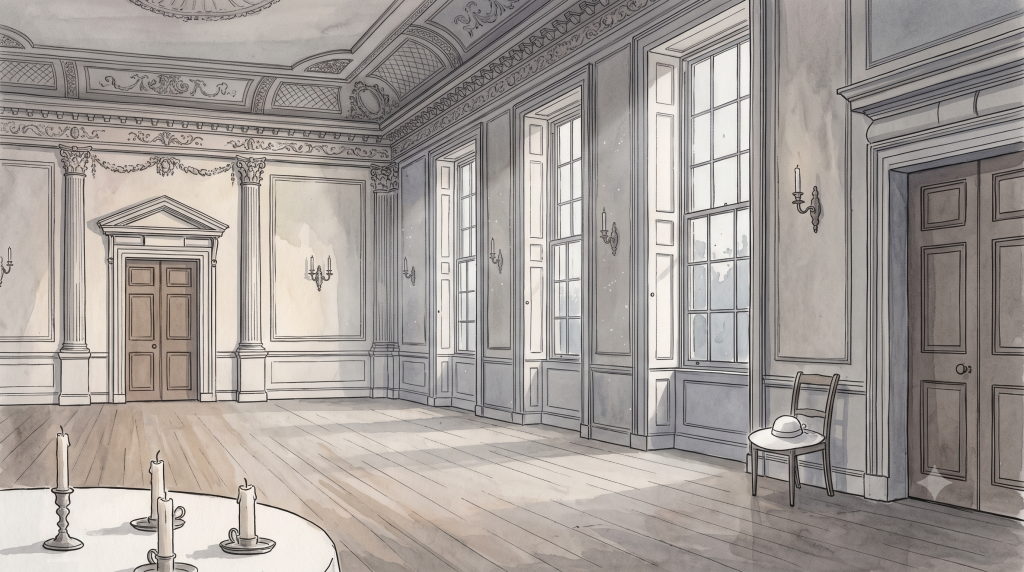
Richard “Beau” Nash died in February 1761, and Tunbridge Wells lost the one man holding its social calendar together. He had run Bath and Tunbridge Wells simultaneously for twenty-six years, as The Town That Got There First describes. Without him, nobody stepped in to keep both towns dancing to the same tune.
Bath, however, kept building. Grand new terraces were built throughout the 1760s and 1770s. Tunbridge Wells, by contrast, stayed roughly the size it had always been — a scattering of lodging houses around a spring, rather than a city reinventing itself in stone.
The War That Should Have Saved Everyone
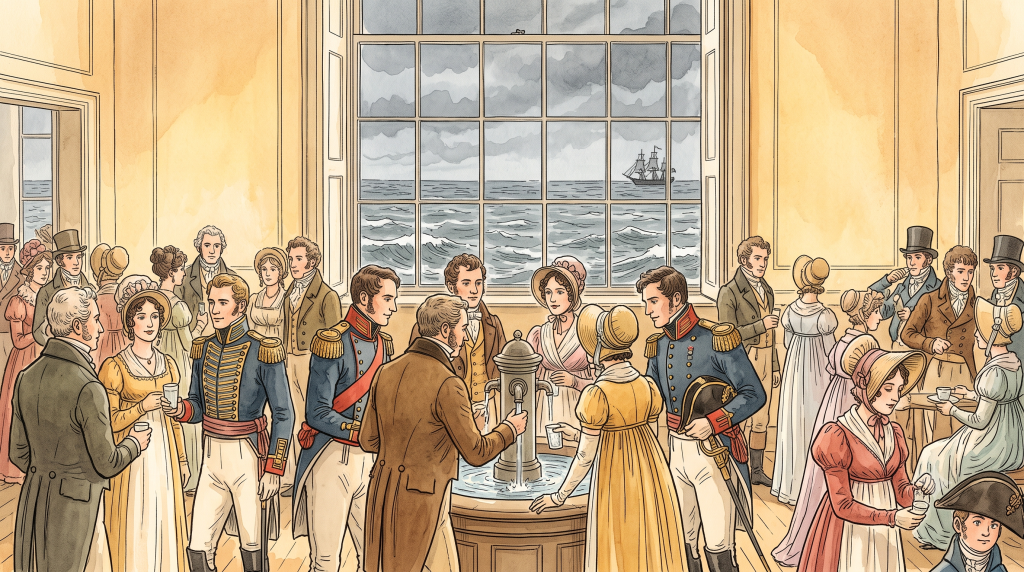
By the early 1800s, Europe had closed its doors. The Napoleonic Wars made travel to French and German spas dangerous or simply impossible, and wealthy Britons who once crossed the Channel for their health suddenly had nowhere else to go but home. English spa towns should have been the obvious winners.
Some were. Cheltenham, barely fashionable before George III visited in 1788, rode the wave hard enough to rename one of its own springs the Royal Well. Leamington and Bath filled with the “half-pay yellows,” as one social historian later called returning colonial officers, all searching for a domestic substitute for the Continent they could no longer reach.
The Town That Missed Its Own Wave
Tunbridge Wells should have been perfectly placed for exactly this moment. It had, after all, beaten every other English spa to the idea by more than a century. Instead, one social history of English spas records that by 1815, the town was quietly stagnating — its medicinal claims no longer persuading anyone, and its fashionable crowd already drifting elsewhere.
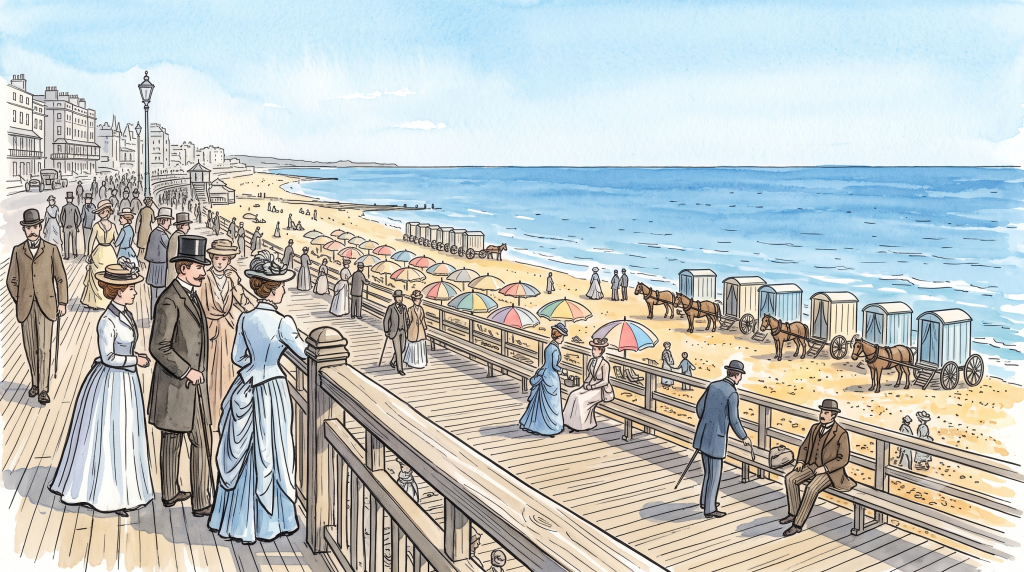
Meanwhile, a different kind of holiday was taking over completely. Sea bathing at Brighton and along the Sussex coast offered something a chalybeate spring couldn’t: open water, sea air, and a genuinely new kind of fashionable escape. Tunbridge Wells wasn’t just losing ground to Bath and Cheltenham anymore. It was losing ground to the seaside itself.
The Irony Worth Sitting With
Here’s the strange shape of it. In 1630, Tunbridge Wells chose itself over the Continent when nobody was forcing the choice. In 1815, when the Continent genuinely shut its doors, and every spa town in England had its best chance in a century, Tunbridge Wells was the one town too tired to take it.
The comeback, when it eventually arrived, looked nothing like a spa revival. It took new estates, a young queen’s visits, and a letter from Buckingham Palace in 1909 — the story The Letter That Made Tunbridge Wells Royal tells on its own terms. But that’s a different kind of victory, earned a different way, and it belongs to another post entirely.
For now, the record stands as it is: the town that got there first wasn’t the town that cashed in. Sometimes being early and being ready turn out to be two completely different things.
Also in this series · The Rival That Went First