The Woman Who Ran the Wells
Ask most people who built Tunbridge Wells’ fashionable reputation, and one name comes up: Beau Nash. However, for the decade before he ever took charge, the town already had someone running it — and she wasn’t waiting for his permission.
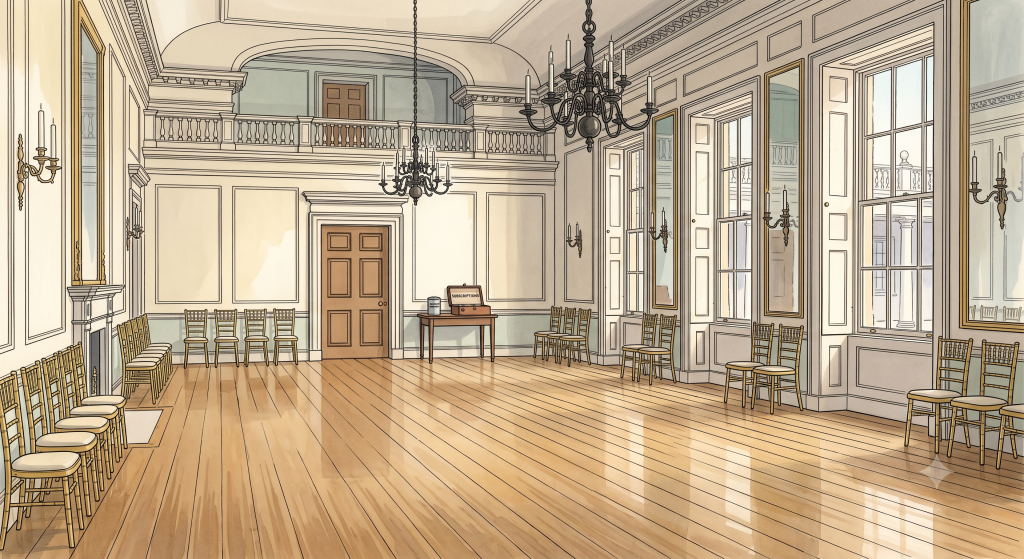
Her name was Bell Causey. From around 1725 until her death in 1734, she was, in the words of one contemporary account, the “absolute governess” of Tunbridge Wells’ social life. The orchestra, the library, and the ballroom didn’t run for free, and someone had to collect the money that kept the whole season going. That someone was Causey.
It’s worth pausing on how unusual that was. Georgian England rarely handed women this kind of authority — over money, entertainment, and the behaviour of wealthy visitors, all at once. For a decade, Tunbridge Wells did exactly that, not by any formal proclamation, but simply because Causey was the one who made the season happen.
The Debt Collector Nobody Argued With
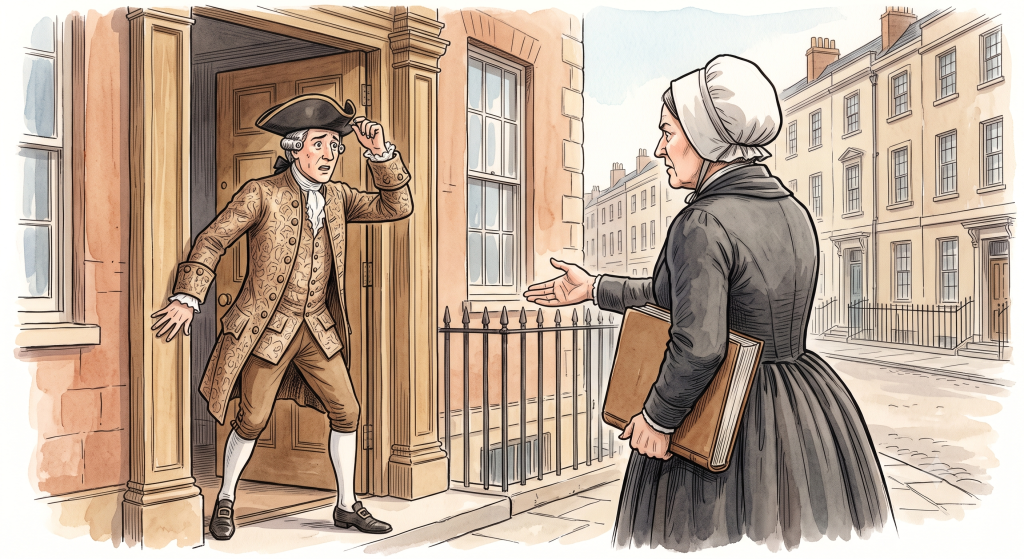
According to the town’s own museum, The Amelia, Causey’s method was simple and relentless. If a visitor didn’t pay their subscription, she pursued them without letting up — you could shout at her, you could swear at her, and it made no difference at all. She stayed on your tail until you paid.
That’s not a glamorous story. It’s also, probably, the more accurate one. Someone has to fund the music and the assembly rooms before anyone can enjoy them, and in Tunbridge Wells, that someone was a woman history has almost entirely forgotten.
The Showman Waiting in the Wings
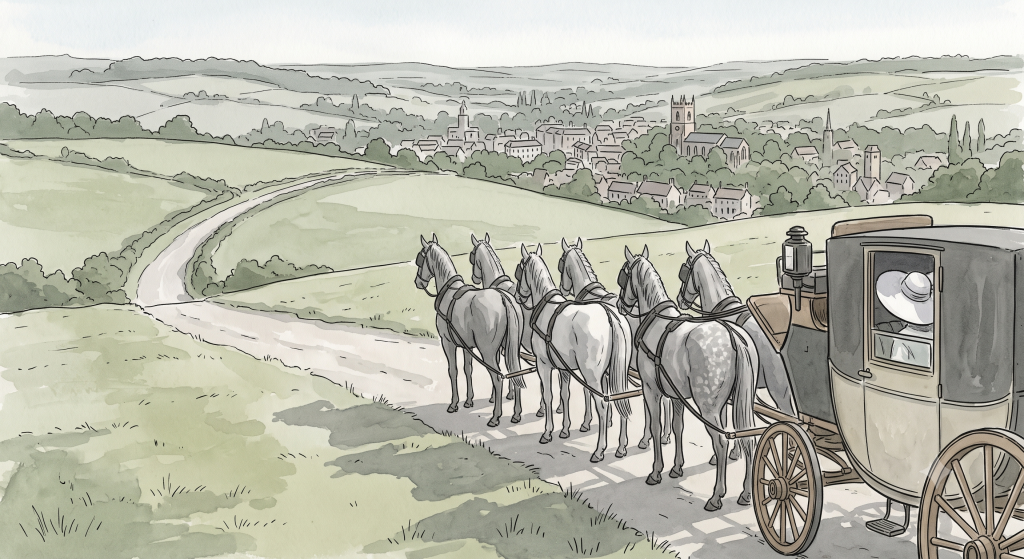
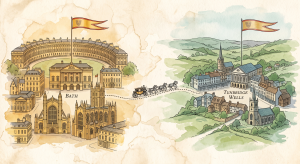
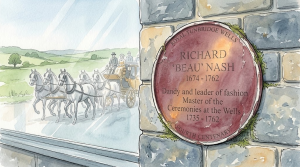
Meanwhile, forty miles away in Bath, Richard “Beau” Nash had already spent thirty years turning himself into the most famous Master of Ceremonies in England. He had his eye on Tunbridge Wells for years, according to one local pub history — but while Causey ruled, Nash could only hover on the sidelines. He was over sixty years old before he finally got his chance.
That’s a strange detail to sit with. The man remembered today as Tunbridge Wells’ great social architect spent a decade unable to get a foot in the door, blocked by one woman with a ledger and a reputation for not backing down.
What Actually Keeps a Spa Town Running
Causey’s death in 1734 finally opened the door. As The Queen Who Slept In a Tent records, Tunbridge Wells had already been drawing royal visitors for a century by then, long before either Causey or Nash arrived. The town didn’t need inventing. It needed funding, organising, and someone willing to chase down the money.
Causey did that job for a decade, without fanfare and without a statue. Nash, as we’ll see next, did a very different job — and got all the credit for both.
Part 2 of “Bath’s Colony” picks up in 1735, when Nash finally takes over — and turns Tunbridge Wells into something closer to a franchise than a rival: The Franchise →
Also in this series · Bath Colony
Leave a Reply