A Kingdom With Colonies
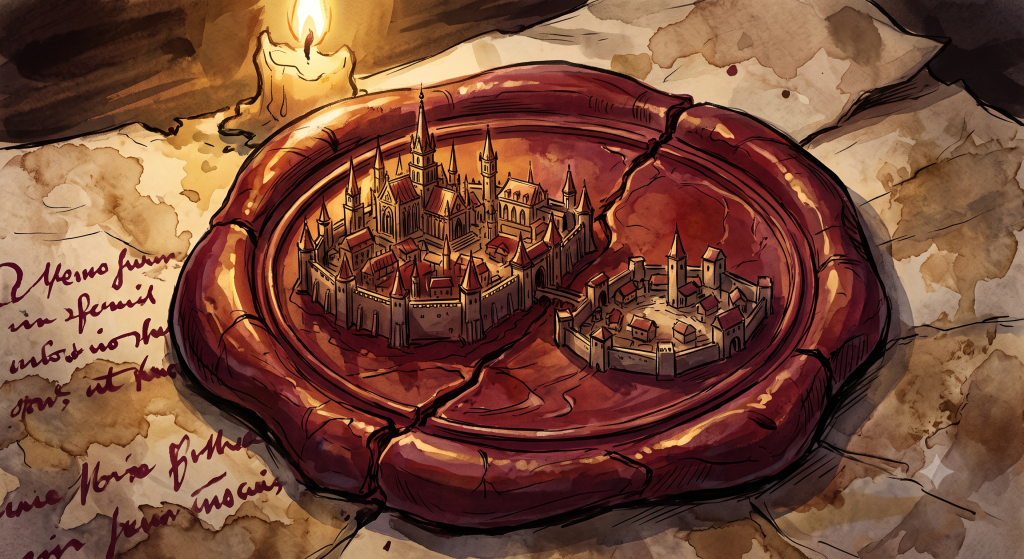
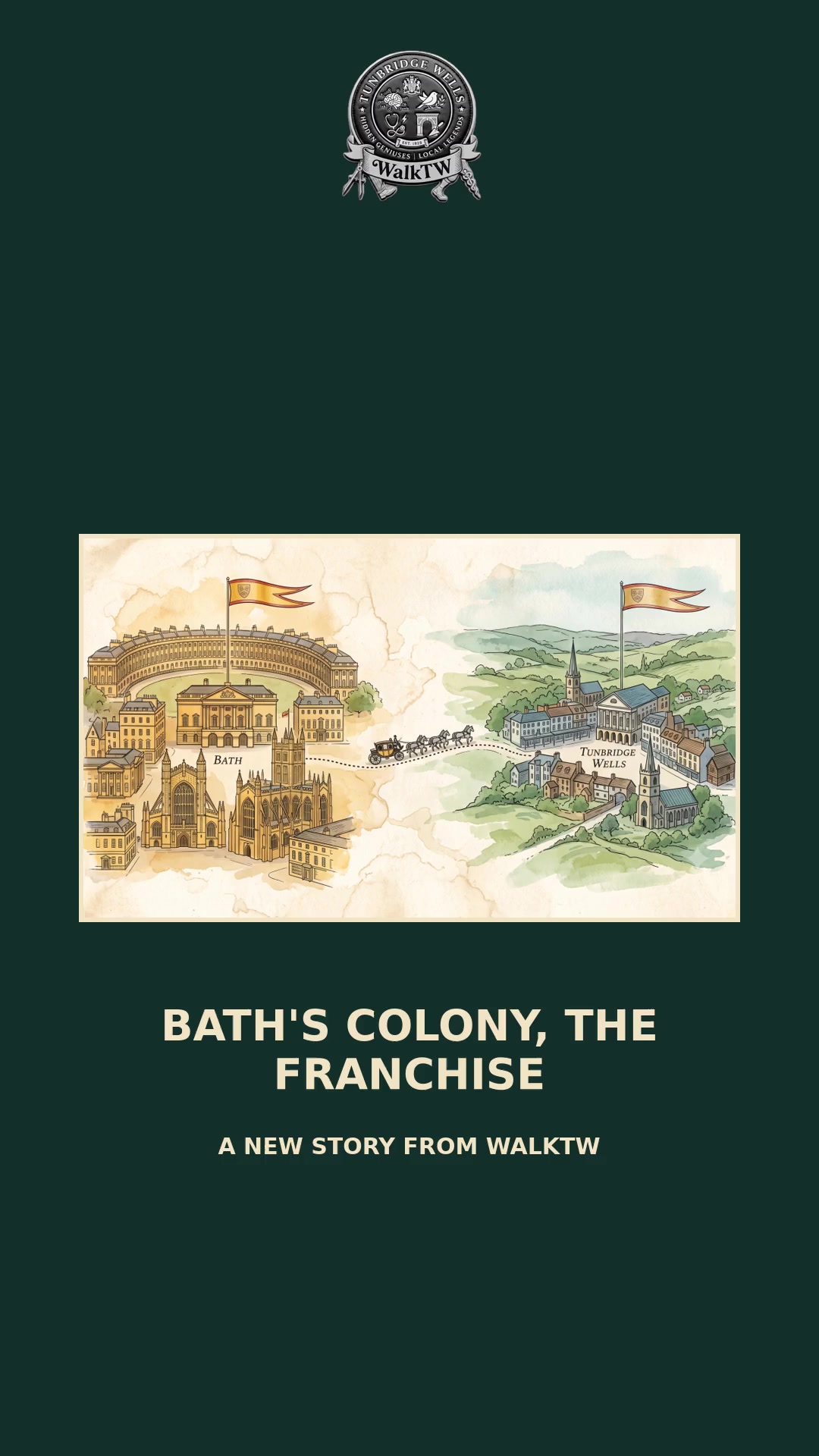
When Bell Causey died in 1734, Richard “Beau” Nash finally got the town he’d wanted for years, as The Woman He Replaced tells it. He was over sixty, already the undisputed king of Bath’s social scene, and he wasted no time making Tunbridge Wells an extension of his own empire rather than a town in its own right.
Oliver Goldsmith, writing Nash’s biography in 1762, put it bluntly. Nash, he wrote, built “a kingdom,” and Tunbridge Wells was little more than one of its “colonies.” That’s not WalkTW being harsh — that’s a contemporary biographer’s own verdict, delivered a year after Nash’s death.
The Numbers Behind the Fashion
The arrangement made perfect commercial sense. Bath’s social season ran from March to June, then picked up again from September to December. Tunbridge Wells got what was left over — the gap in the middle, the height of summer, when Bath’s own rooms sat empty anyway.
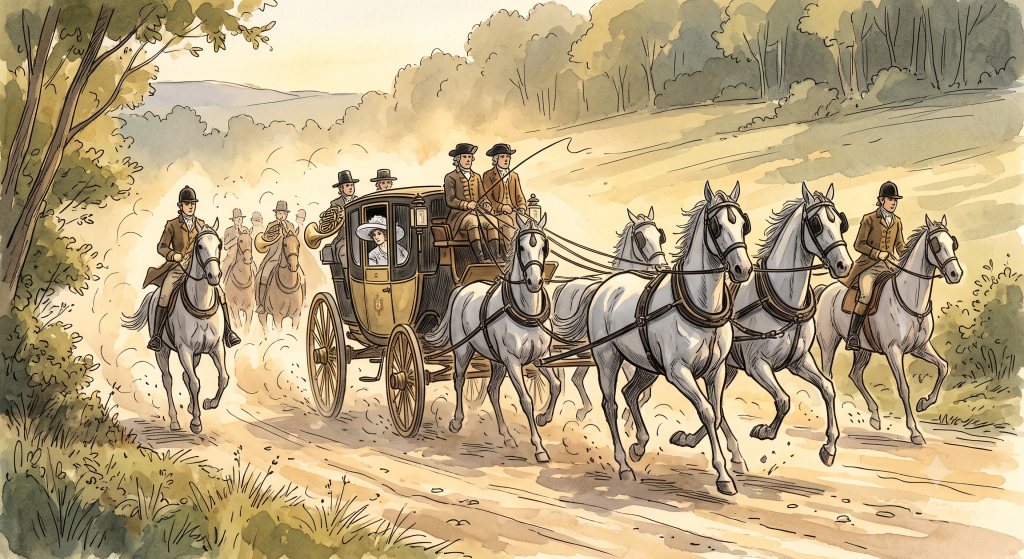
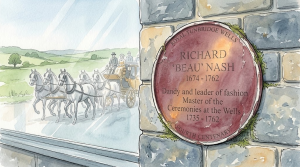
As a result, Nash wasn’t splitting his loyalty between two towns. He was running one business with two locations, and Tunbridge Wells was simply the summer branch. He announced his own arrivals accordingly: a post chariot pulled by six grey horses, outriders, footmen, and French horns blaring the whole way down from Bath. It was theatre, and it was also marketing.
The Reputation Job
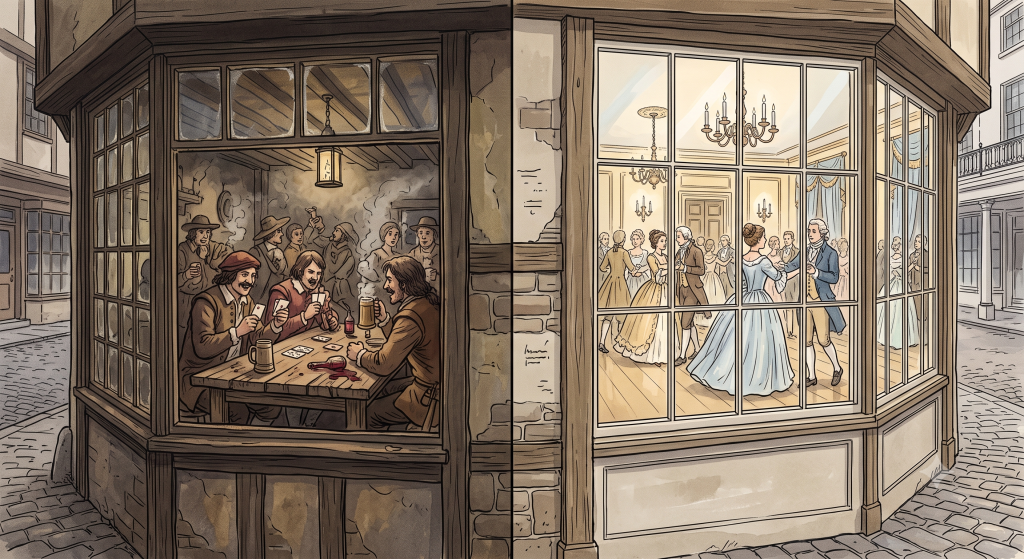
None of this happened because Tunbridge Wells needed rescuing from obscurity. It needed rescuing from its reputation. Decades earlier, the Earl of Rochester had mocked the town’s visitors in verse as a rowdier, less respectable crowd than fashionable society liked to admit. That reputation lingered for years, running alongside the same scandalous social world the Capital of Infidelity series still finds gossip about today.
Nash’s real contribution wasn’t charm. It was rebranding. He transplanted the same rules, the same balls, and the same strict etiquette that had already scrubbed up Bath’s image, and applied the identical formula to Tunbridge Wells. It worked because it had already been tested elsewhere.
A Rival Once, a Branch Office Now
There’s a certain irony here. A century earlier, Tunbridge Wells had chosen itself over the grandest spas in Europe entirely on its own terms — a story The Town That Got There First tells in full. By the time Nash arrived, that instinct for independence had quietly given way to something else: a well-run, profitable, thoroughly dependent branch of somebody else’s kingdom.
Nash didn’t build Tunbridge Wells’ fame. He franchised his own onto it. What that left behind, once he was gone, is a different story entirely.
Also in this series · Bath Colony

Leave a Reply