For nearly 300 years, if you wanted a drink from the spring that built this town, someone else poured it for you. That person was called a Dipper, and the job hasn’t fully disappeared. However, what they’re pouring — and where it comes from — has changed more than most people realise.
The Original Job Wasn’t About the Water
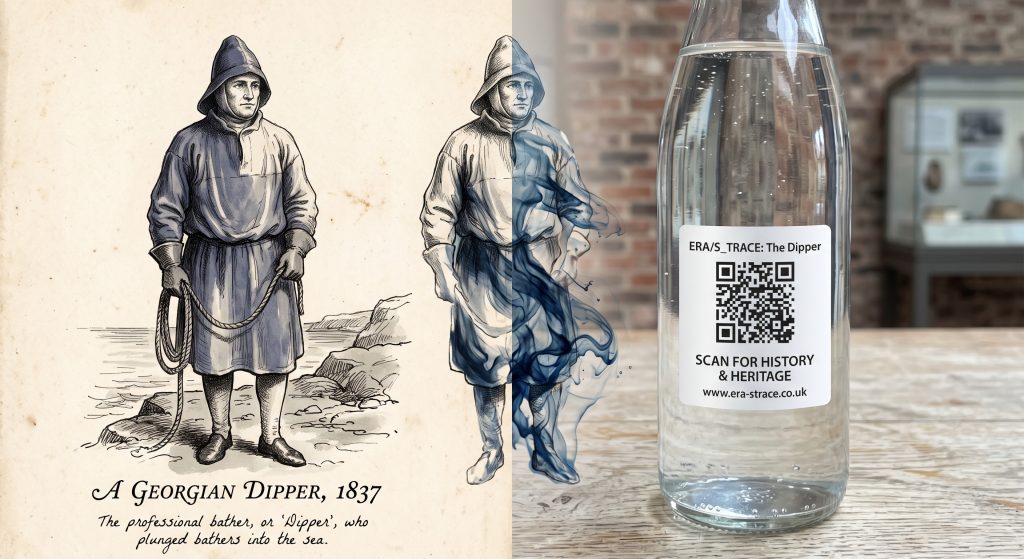
In the 18th century, a Dipper’s fee was never for the water itself. The Chalybeate Spring was considered common property, so you paid a small charge purely for the service: someone handing you a genteel tumbler of iron-rich water, rather than you scooping it up yourself. It became a daily ritual for fashionable visitors, followed by a promenade along what’s now The Pantiles.
The tradition survived, at least in name. Tourism copy still describes costumed Dippers serving visitors through the summer months, continuing a job description that’s barely changed since the 1600s.
The Well That Isn’t Quite a Well Anymore
Here’s where the story gets more complicated than the postcards suggest. The physical spot you’ll find today isn’t the raw historic well it once was. One visitor-review site notes that the iron-stained bowl visitors used to see has been rebuilt to resemble more of a fountain than an old well. In May 2023, the spring underwent a full restoration and reopening, timed to coincide with King Charles III’s Coronation weekend, carried out by Samuel Danby in partnership with landlord Targetfollow and Tunbridge Wells Borough Council, the spring’s previous operator.
The water genuinely still flows from underground. That part hasn’t been faked. What’s changed is everything around it — the structure, the process, and crucially, what happens to the water before it reaches you.
Filtered, Bottled, and Branded
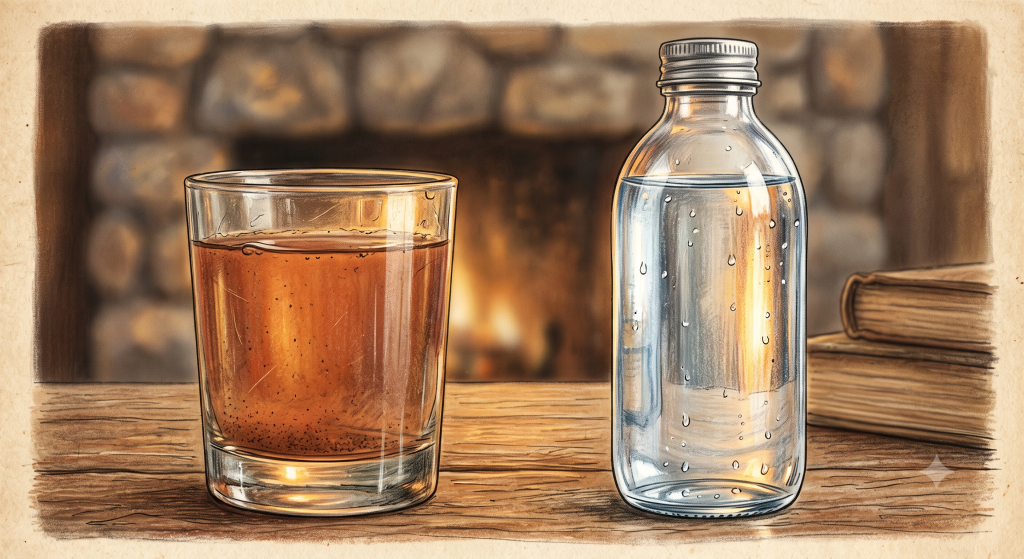
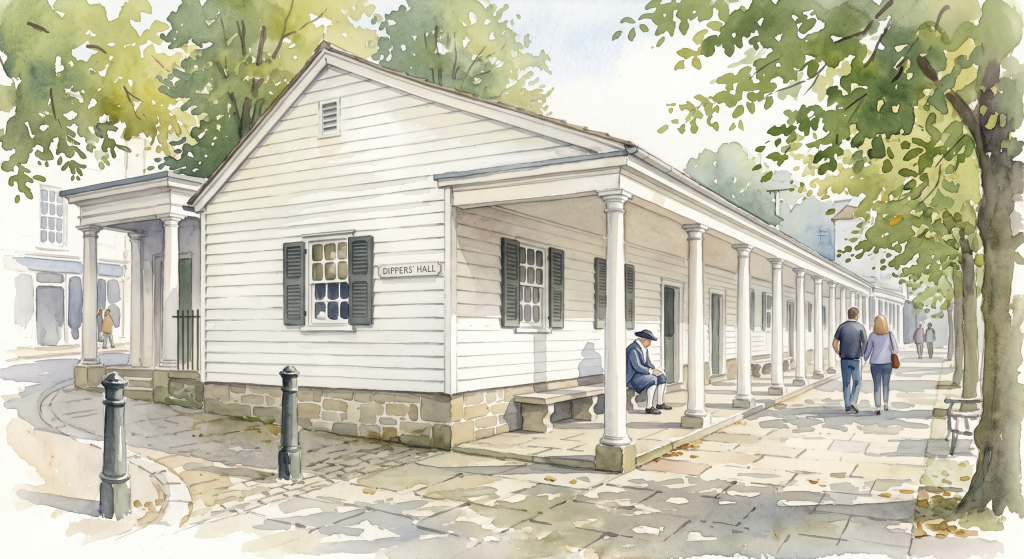
As part of that 2023 restoration, the spring water now undergoes UV filtration and formal testing before it’s bottled at the source. It’s sold under the name Royal TW Spring Water, in natural, sparkling, and botanically infused varieties, in glass bottles rather than a tumbler handed over by a Dipper. A related local business, Royal Tunbridge Wells Water, runs the operation from the historic Dippers’ Hall on weekends, with the bottled product also available in nearby shops.
This is a meaningfully different product from what Georgian visitors drank. The original appeal of chalybeate water was its strong, unmistakably metallic taste, due to its high iron content, and its cloudy reddish-brown colour. Locals who’ve tried today’s bottled version describe it as noticeably cleaner and clearer, with none of that distinctive original character — worth stating plainly as an on-the-ground observation rather than something formally documented, since no source spells out exactly how filtration affects taste.
So, Is There Still a “Real” Well?
Yes and no, and that’s the honest answer. The underground spring is real. The water still comes from the same source Lord North found in 1606. But the on-site experience has shifted from “historic well” to “modern, filtered, bottled attraction,” and recent visitor accounts reflect that shift unevenly. Some describe finding little more than a vending machine and a plaque; others report the spring itself covered over, with no Dipper in sight and no one around to explain what they were looking at.
None of this makes the spring less real. It makes it feel different—a working, modern water business built on a genuine 400-year-old source, rather than the raw, sample-it-as-it-comes tradition many visitors expect.
Time May Change, But the Fee Never Does
The through-line here fits neatly with “time may change, but people don’t.” Georgian visitors paid for presentation, not water. Today’s visitors pay roughly the same price for the same reason — a branded bottle, a QR code, and a story, rather than just the water. The packaging changed. The economics of the Dipper’s fee never really did.
Related reading: 7 Curious Corners of Royal Tunbridge Wells · The Great Paving Scandal · Ten Things Tunbridge Wells Used to Do for Fun

Leave a Reply