Part 2 of “The Royal Visitors”
The Dandy Chronicles | The Chronicles
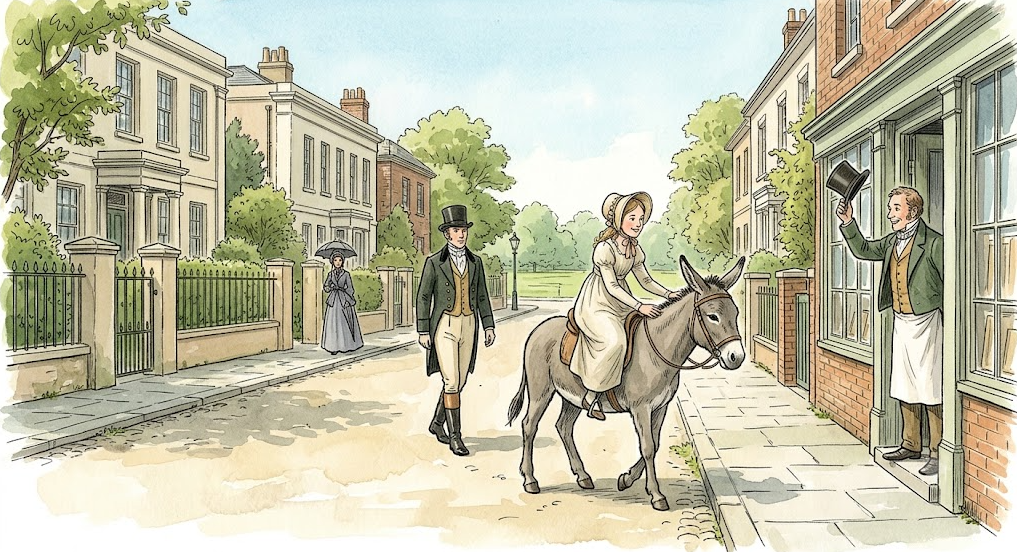
Before she was Queen of the United Kingdom, Empress of India, and the woman who gave her name to an entire age, Victoria was a small girl on a donkey, riding along Church Road in Tunbridge Wells.
The donkey’s name was Flower. The rides were, by Victoria’s own account, among the happiest parts of a famously unhappy childhood. And the town she rode through would remember those visits so fondly that, seventy years later, they became a central exhibit in the case for the most consequential single word in the town’s history.
But that is Part 3’s story. This is the story of the visits themselves.
Almost Every Year
Between 1826 and 1835, the Duchess of Kent and her daughter Princess Victoria came to Tunbridge Wells almost every year. They were, by some distance, the most regular and most popular royal visitors the town ever received — a fixture of the season in a way no monarch before them had been.
They usually stayed at Mount Pleasant House on Crescent Road — a Georgian mansion built in 1762, later remodelled by Decimus Burton using stone from the Calverley Estate quarry, renamed Calverley House, then the Calverley Hotel, and today the Hotel du Vin. On other visits they took Boyne House on Mount Ephraim — placing the future Queen on the hill whose social pretensions we covered in The Mountain Feud.
The young Victoria’s Tunbridge Wells was not a place of ceremony. She rode Flower along Church Road. She attended the races on the Common. She went to services at the Church of King Charles the Martyr, where a brass plaque still marks her seat in the upper gallery — the same church, readers of Part 1 — The Queen Who Slept in a Tent will note, named for the executed husband of the town’s first royal visitor. Two centuries of royal connection, one building.
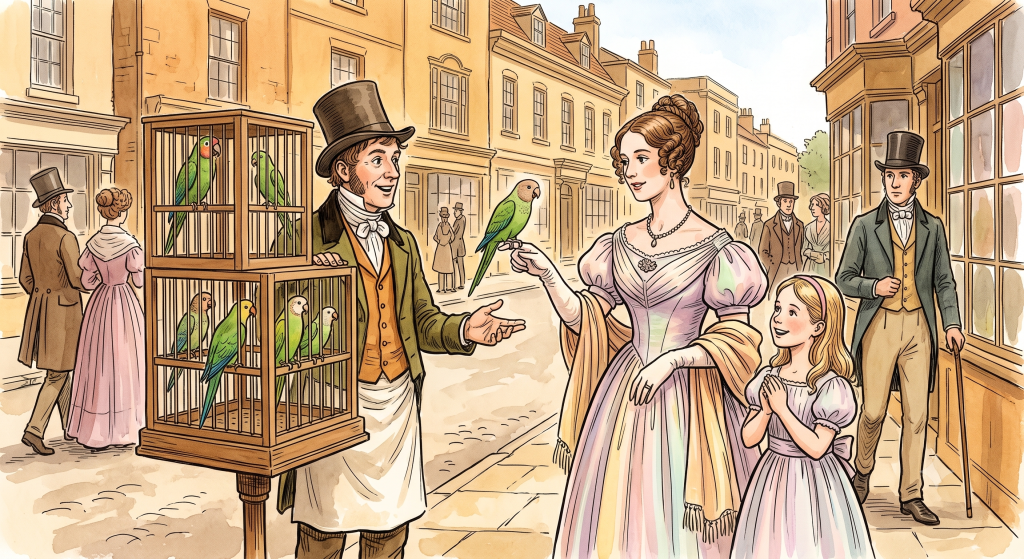
She also went shopping, after a fashion. On one walk through the town, Victoria and her mother came across a man selling parrots. Victoria recorded the encounter in her journal with the delight of any child in any century — one bird in particular, a small green parakeet with a pale brown head, so tame it perched on her mother’s finger and would hardly leave. It talks also, the man said.
Why She Was Here At All
The context of these visits deserves a moment, because it explains their character.
Victoria’s childhood was governed by what history calls the Kensington System — the rigid, isolating regime imposed by her mother and the ambitious Sir John Conroy, designed to keep the princess dependent, controlled, and away from the royal court. She was raised, in her own later words, very simply. She never had a room of her own until she came to the throne. She sat for lessons in her governess’s bedroom.
The annual excursions to places like Tunbridge Wells were part of the Duchess of Kent’s programme of “royal progresses” — showing the princess to the nation, much to the irritation of King William IV. However, whatever their political purpose, for Victoria herself they were something simpler: escape. Recalling the Tunbridge Wells stays in later life, she remembered many pleasant days — and that the return to Kensington each autumn was, in her own phrase, generally a day of tears.
Tunbridge Wells was where the most supervised child in England got to ride a donkey.
The Grand Arrival of 1834
The visits were informal for Victoria. They were anything but informal for the town.
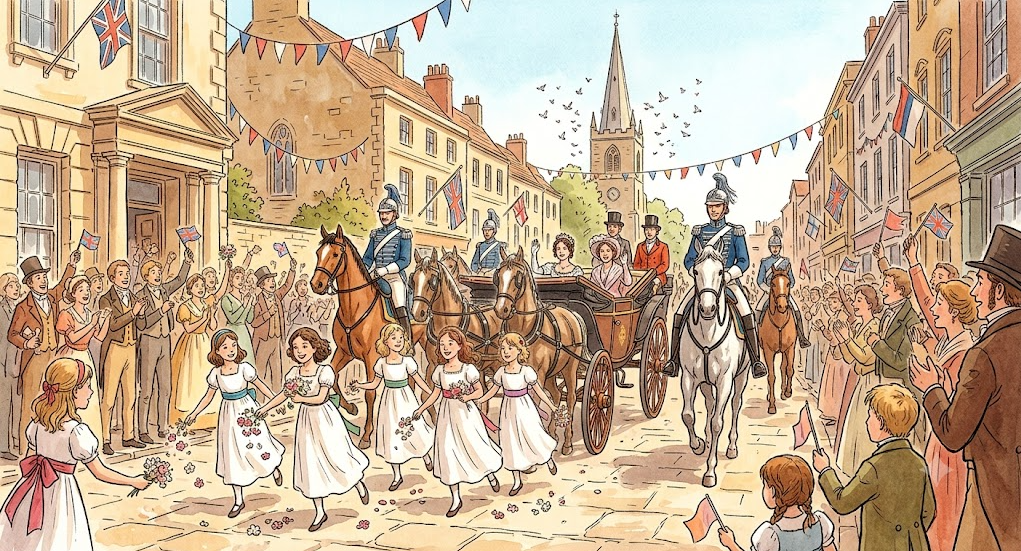
On 5 August 1834, the fifteen-year-old princess arrived for what would be one of the final stays, and Tunbridge Wells gave itself a holiday. The streets were packed from early morning. Flags flew, church bells rang, bands played the national anthem. A troop of yeomanry rode in ahead of the royal carriage, and a long line of young girls in white dresses scattered flowers on the road as Victoria and her mother passed. Calverley House had been rented and specially furnished for the party; within an hour of arriving, Victoria was back out in an open-top barouche, touring the town to see what had changed.
The town’s affection outlasted the visits. To commemorate them, the townsfolk planted the Royal Victoria Grove on the Common — an avenue of trees that can still be walked today, a living monument to a princess on a donkey.
Years after leaving the donkey rides behind, Victoria — now Queen — would grant this town one more mark of royal favour: a Royal Warrant to Tunbridge Ware maker Sharpe of Tunbridge Wells in 1842.
After the Crown
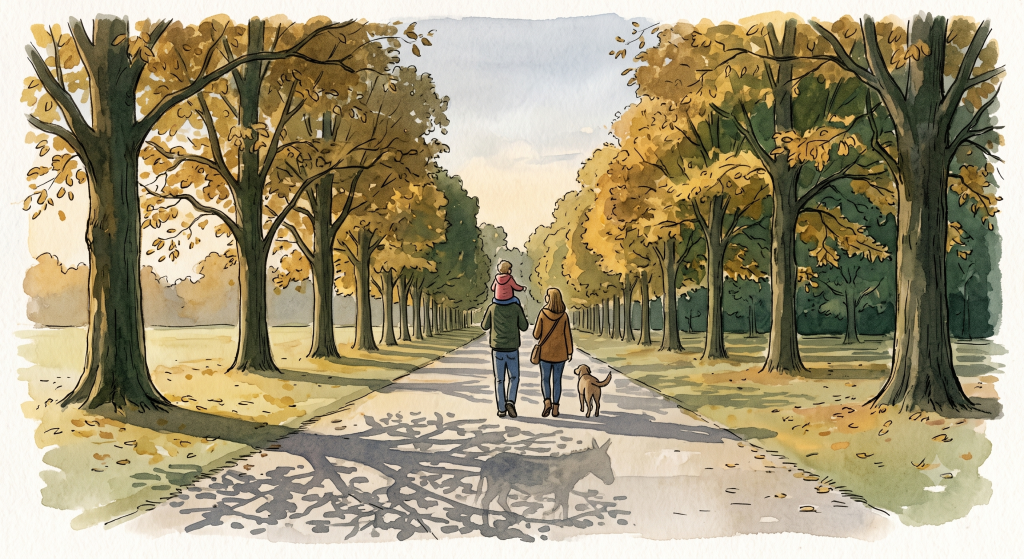
The Princess and The Donkey
In June 1837, less than two years after the last Tunbridge Wells season, Victoria became Queen. The annual visits ended — queens do not summer in spa towns the way princesses do — though the town’s reference library preserves an account of a visit she made with Prince Albert in June 1849.
However, the relationship never really ended; it simply changed form. The town that had watched a controlled, isolated child find some measure of freedom on its Common now had a lifelong claim on the most powerful woman in the world — a claim it would remember, document, and eventually deploy.
Because when, decades later, the town petitioned for the right to call itself Royal, the case did not rest on Henrietta Maria’s tents or Charles II’s court. It rested substantially on the little girl with the donkey — the Queen who had loved the place before she was Queen at all.
How that petition was made, and the letter that answered it, is the final part of this story.